Miami Airport: The Leading Airport in Miami

Miami International Airport, also known as Wilcox Field or simply MIA Airport after its IATA code, opened in 1928. Located in an unincorporated area of Miami-Dade County, it lies about 8 miles (13 km) northwest of downtown Miami.

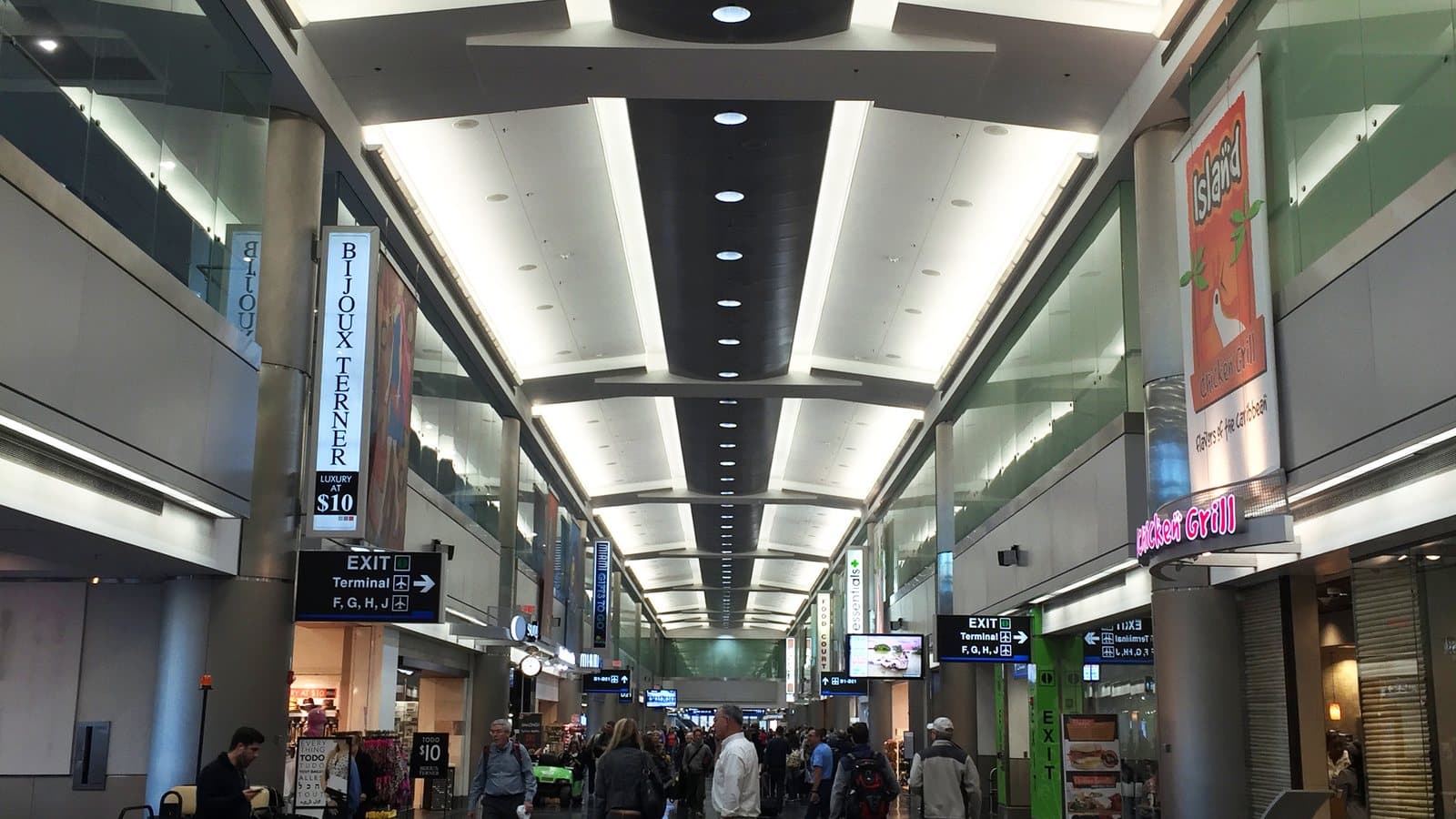
MIA Airport is one of the most important aviation hubs in the United States and worldwide. Welcoming tens of millions of passengers each year, it is among the busiest airports in the country and ranks second in the U.S. for international passenger traffic. Despite the significant impact of the COVID-19 pandemic, Miami Airport served 50.6 million passengers in 2022, surpassing its pre-pandemic passenger volume of nearly 46 million travelers in 2019.

Beyond passenger traffic, Miami International Airport plays a crucial role in global cargo transportation. It is estimated that MIA handles over 1,000 flights daily, serving nearly 100 international destinations and 74 domestic routes. While it connects Miami with almost every region of the world, it is especially important as a hub for flights between North America, Latin America, and the Caribbean.

Miami International Airport Layout

Miami Airport is designed in a large “U” shape. Although it consists of a single terminal complex, it is divided into three interconnected sub-terminals:

  • North Terminal (Blue)
  • Central Terminal (Yellow)
  • South Terminal (Red)

The airport includes six concourses (D, E, F, G, H, and J), 131 gates, and 10 security checkpoints, four of which are located in Concourse D.

All terminals are connected by moving walkways, allowing passengers to walk between them even with heavy luggage. However, passengers often need to exit and re-clear security when transferring between terminals, making inter-terminal transfers time-consuming.

Airlines Operating at MIA

Miami International Airport hosts all major domestic and international airlines. It is one of the top three hubs for American Airlines, serving as the primary gateway for the airline’s routes to Latin America and the Caribbean.

In addition, MIA functions as a hub for several other airlines, including Atlas Air and World Atlantic Airlines, while also acting as a focus city for Avianca, LATAM, and Frontier Airlines.

Parking Facilities

Miami Airport offers multiple parking options to meet passenger needs. The main parking structures are:

  • Dolphin Garage
  • Flamingo Garage

Together, these garages provide approximately 7,500 parking spaces. The most affordable option is the MIA Economy Park & Ride, located farther from the terminals. For passenger pick-ups, the Cell Phone Waiting Lot is available.

Additional parking facilities are planned for the future. However, parking availability can be limited, especially from Thursday through Saturday.

Transit Options from Miami Airport

Miami International Airport is well connected to downtown Miami and other areas of the city. Available transportation options include:

  • Airport taxis
  • Car rentals
  • Private Miami airport transfers
  • Metrobus Line 7
  • Metrorail Orange Line

Services and Amenities

MIA Airport provides a wide range of services and facilities to ensure a comfortable travel experience. Key amenities include:

  • Shops and duty-free stores
  • Restaurants and bars
  • Luggage carts, wrapping, and storage
  • Business and meeting facilities
  • Pharmacies and medical services
  • Banks, ATMs, and currency exchange
  • Family services and playgrounds
  • Pet relief areas
  • Lost & Found offices
  • Yoga room and chapel
  • Park and relaxation areas
  • Airport lounges and spa facilities
  • Airport hotel
  • Free Wi-Fi
  • Travel agencies and information desks
  • Services for passengers with disabilities

Miami International Airport Contact Information

Official Name: Miami International Airport

Address: 2100 NW 42nd Ave, Miami, FL 33142

Phone: 305-876-7000

Email: [email protected]

Official Website: https://www.miami-airport.com/

The City of Miami

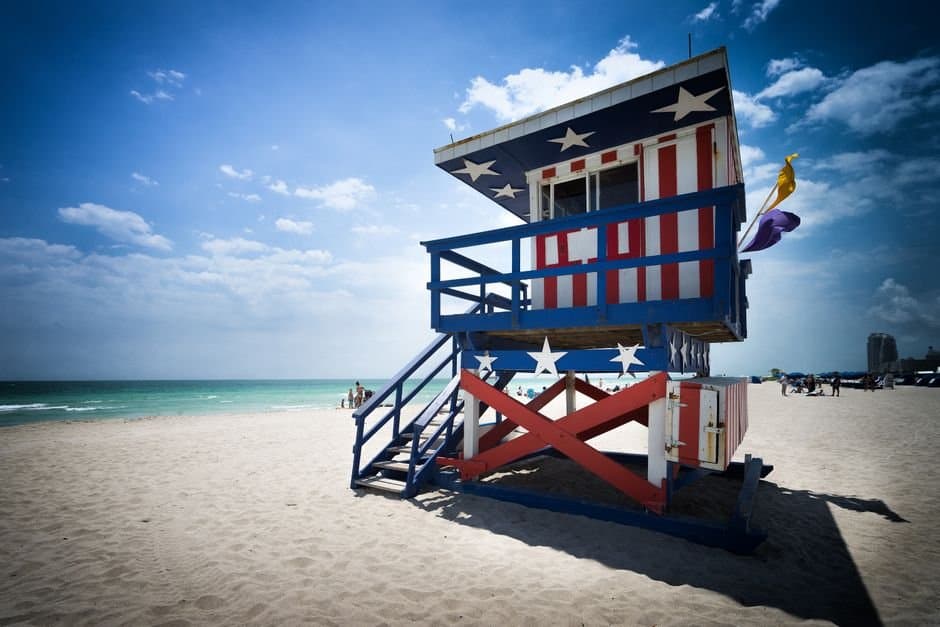
Miami is synonymous with sunshine, beaches, and a vibrant lifestyle. Its coastline attracts visitors from all over the world, especially water-sport enthusiasts. The city’s cultural diversity is one of its defining characteristics, blending Latin American, Caribbean, European, Asian, and Middle Eastern influences.

Neighborhoods such as Little Havana showcase authentic Cuban culture, while Miami’s shopping districts, nightlife, and street art scene contribute to the city’s dynamic atmosphere. Combined with its unique architectural heritage and constant flow of art and music events, Miami offers an experience that feels different with every visit.